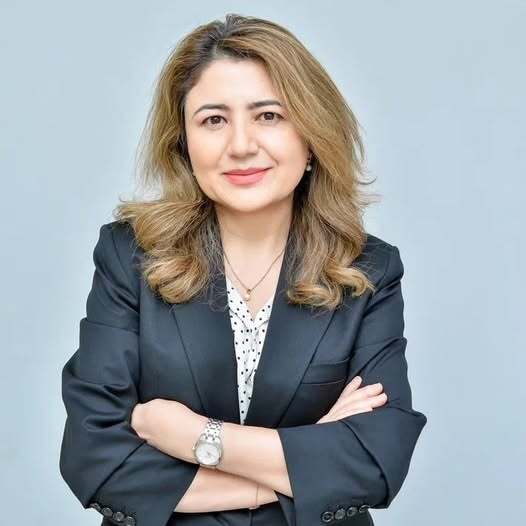
Journal title. How did you become a member of the editorial board?
Gender, Work & Organization is indexed as a top 1% journal in Scopus in Gender Studies. I initially came across a call for Associate Editors and decided to apply. Following this, I was invited by the Editors-in-Chief to join the Early Scholars Review Board, where I received training from experienced editors and began contributing to the peer review process. After two years of active involvement, I was invited to take on the role of Associate Editor. As part of this role, together with another Associate Editor, Prof. Shumaila Yousufzai, we bring the annual GWO Conference to Central Asia, Kazakhstan, and Nazarbayev University in June.
What does it mean in practice to be a member of the editorial board in your journal?
The role of editors involves managing the peer review process, including identifying appropriate reviewers, evaluating their reports, and making editorial recommendations. It also requires engaging critically and constructively with submitted manuscripts, ensuring academic rigor, and upholding ethical standards throughout the process.
How do you think your work on the editorial board influences the development of your field?
Are there any topics or areas that are particularly important right now—and that you help promote?
Have there been cases when a decision on a manuscript was especially difficult or principled?
In this role, I contribute to discussions on which research conversations gain visibility and recognition. I am particularly attentive to work on gender in higher education, leadership, and policy, especially in underrepresented regions such as Central Asia and broader Global South.There are cases when editorial decisions are difficult. For example, when manuscripts show strong potential but require substantial development, or when reviewer recommendations differ, you have to decide whether the article has potential for further enhancement. In such cases, I aim to balance fairness, rigor, and constructive feedback.
What research trends have you observed through this role?
What distinguishes a strong academic article from a weak one today?
What mistakes do authors make most often?
I have observed increasing attention to intersectionality, decolonial perspectives, and critical approaches to gender and work. A strong academic article demonstrates a clear theoretical contribution, a well-articulated argument, and a robust methodology. In contrast, weaker submissions tend to be descriptive, lack conceptual depth, or fail to clearly position their contribution within the existing literature. Common mistakes include insufficient engagement with theory, unclear framing of the research problem, and lack of clarity regarding the paper’s original contribution.
How has your participation in the editorial board influenced your professional network?
Have there been new international collaborations?
Do you interact with authors and editors from different countries?
This role has significantly expanded my international academic network. I regularly engage with scholars, reviewers, and editors from different countries, which has opened opportunities for collaboration and meaningful intellectual exchange.
How has this role changed you as a researcher and a teacher?
Has it influenced your own academic writing style?
What do you do differently now in your academic work?
This role has profound contribution to my own writing. It made me more attentive to clarity, structure, and contribution in my manuscripts. I have become more reflective about how arguments are constructed and communicated. In my teaching, I pay more attention on academic writing, peer review, and critical engagement, helping students better understand what constitutes strong scholarly work.
What is the most challenging aspect of being an editorial board member?
How do you deal with ethical dilemmas?
Is it difficult to reject submissions?
One of the most challenging aspects is the increasing pressure on academic publishing. As publication requirements grow for academics worldwide, journals receive a high volume of submissions. At the same time, it is becoming more difficult to find suitable reviewers both due to reviewer fatigue and the growing influence of AI in research. Another key challenge is making fair decisions when reviews conflict or when manuscripts show promise but are not yet ready for publication. Ethical responsibility is central to this role, including ensuring confidentiality, fairness, and unbiased judgment. Rejecting submissions is never easy; however, it is necessary to maintain the quality of the journal. I try to ensure that all decisions are communicated respectfully and constructively.
How does editorial board membership influence an academic career?
How important is it for international recognition?
Would you recommend that colleagues aspire to this role?
Editorial board membership is a significant marker of international recognition and trust in one’s expertise. It also provides valuable insight into publishing standards and strengthens academic profile. I would recommend this role to colleagues who are committed to contributing to their field and engaging deeply with scholarly work.
What advice would you give to researchers who want to join an editorial board?
What skills or achievements are most important for this?
Where is the best place to start?
I think developing a strong publication record, engaging actively as a reviewer, and building expertise in a clearly defined research area. A good starting point is to review journals and provide timely, thoughtful, and constructive feedback. This is often how editors identify potential editorial board members.
What does being part of an editorial board mean to you personally?
It is a significant responsibility. As I mentioned early, with the growing influence of AI in research and the increasing number of submissions, it can sometimes be challenging to find suitable reviewers. This requires strong dedication, time management, and discipline to ensure that decisions are not delayed for authors. At the same time, it is a privilege to contribute to shaping the field and to support the development of high-quality scholarship worldwide.
Gender, Work & Organization is indexed as a top 1% journal in Scopus in Gender Studies. I initially came across a call for Associate Editors and decided to apply. Following this, I was invited by the Editors-in-Chief to join the Early Scholars Review Board, where I received training from experienced editors and began contributing to the peer review process. After two years of active involvement, I was invited to take on the role of Associate Editor. As part of this role, together with another Associate Editor, Prof. Shumaila Yousufzai, we bring the annual GWO Conference to Central Asia, Kazakhstan, and Nazarbayev University in June.
What does it mean in practice to be a member of the editorial board in your journal?
The role of editors involves managing the peer review process, including identifying appropriate reviewers, evaluating their reports, and making editorial recommendations. It also requires engaging critically and constructively with submitted manuscripts, ensuring academic rigor, and upholding ethical standards throughout the process.
How do you think your work on the editorial board influences the development of your field?
Are there any topics or areas that are particularly important right now—and that you help promote?
Have there been cases when a decision on a manuscript was especially difficult or principled?
In this role, I contribute to discussions on which research conversations gain visibility and recognition. I am particularly attentive to work on gender in higher education, leadership, and policy, especially in underrepresented regions such as Central Asia and broader Global South.There are cases when editorial decisions are difficult. For example, when manuscripts show strong potential but require substantial development, or when reviewer recommendations differ, you have to decide whether the article has potential for further enhancement. In such cases, I aim to balance fairness, rigor, and constructive feedback.
What research trends have you observed through this role?
What distinguishes a strong academic article from a weak one today?
What mistakes do authors make most often?
I have observed increasing attention to intersectionality, decolonial perspectives, and critical approaches to gender and work. A strong academic article demonstrates a clear theoretical contribution, a well-articulated argument, and a robust methodology. In contrast, weaker submissions tend to be descriptive, lack conceptual depth, or fail to clearly position their contribution within the existing literature. Common mistakes include insufficient engagement with theory, unclear framing of the research problem, and lack of clarity regarding the paper’s original contribution.
How has your participation in the editorial board influenced your professional network?
Have there been new international collaborations?
Do you interact with authors and editors from different countries?
This role has significantly expanded my international academic network. I regularly engage with scholars, reviewers, and editors from different countries, which has opened opportunities for collaboration and meaningful intellectual exchange.
How has this role changed you as a researcher and a teacher?
Has it influenced your own academic writing style?
What do you do differently now in your academic work?
This role has profound contribution to my own writing. It made me more attentive to clarity, structure, and contribution in my manuscripts. I have become more reflective about how arguments are constructed and communicated. In my teaching, I pay more attention on academic writing, peer review, and critical engagement, helping students better understand what constitutes strong scholarly work.
What is the most challenging aspect of being an editorial board member?
How do you deal with ethical dilemmas?
Is it difficult to reject submissions?
One of the most challenging aspects is the increasing pressure on academic publishing. As publication requirements grow for academics worldwide, journals receive a high volume of submissions. At the same time, it is becoming more difficult to find suitable reviewers both due to reviewer fatigue and the growing influence of AI in research. Another key challenge is making fair decisions when reviews conflict or when manuscripts show promise but are not yet ready for publication. Ethical responsibility is central to this role, including ensuring confidentiality, fairness, and unbiased judgment. Rejecting submissions is never easy; however, it is necessary to maintain the quality of the journal. I try to ensure that all decisions are communicated respectfully and constructively.
How does editorial board membership influence an academic career?
How important is it for international recognition?
Would you recommend that colleagues aspire to this role?
Editorial board membership is a significant marker of international recognition and trust in one’s expertise. It also provides valuable insight into publishing standards and strengthens academic profile. I would recommend this role to colleagues who are committed to contributing to their field and engaging deeply with scholarly work.
What advice would you give to researchers who want to join an editorial board?
What skills or achievements are most important for this?
Where is the best place to start?
I think developing a strong publication record, engaging actively as a reviewer, and building expertise in a clearly defined research area. A good starting point is to review journals and provide timely, thoughtful, and constructive feedback. This is often how editors identify potential editorial board members.
What does being part of an editorial board mean to you personally?
It is a significant responsibility. As I mentioned early, with the growing influence of AI in research and the increasing number of submissions, it can sometimes be challenging to find suitable reviewers. This requires strong dedication, time management, and discipline to ensure that decisions are not delayed for authors. At the same time, it is a privilege to contribute to shaping the field and to support the development of high-quality scholarship worldwide.